

Welcome to the JoyWork: OM Course Portal
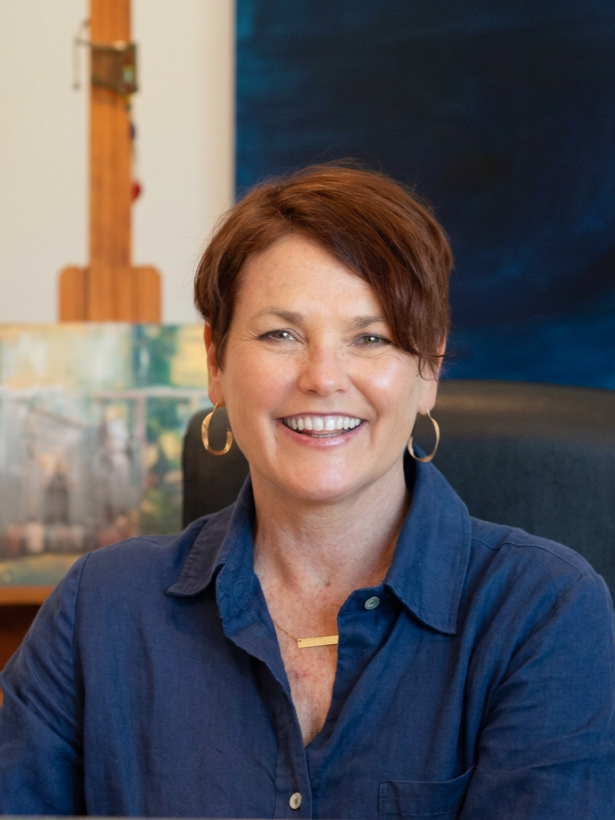
Hello! I’m Melissa, and I’ll be your guide through JoyWork OM: The Owner’s Manual for Human Flourishing.
I founded JoyWork to help people create pathways toward flourishing through self-knowledge, self-care, meaningful connection, and the ongoing practice of becoming more responsive to life as it is.
JoyWork OM brings those elements together in a science-based, experiential course designed to help you understand how your brain and body learn patterns—and how those patterns can change. Through a combination of practical science, somatic practices, mindfulness, self-inquiry, and shared learning, you’ll develop tools for working with difficult emotions, recognizing the patterns that shape how you act and react, and creating greater flexibility and choice in how you meet your life.
This is where the work begins.

Dates: Tuesdays, October, 13, 20, 27 and November 3rd
Time: 6:00-8:30 pm
Location: Click for google maps link
11282 W Washington Blvd, Suite 207
What to bring:
We have water and hot tea in the office, but if you have particular beverage preferences, bring those.
Notebook if you like taking notes. (I have pens and pencils) Worksheets and such will be provided for course exercises.
Light snacks will be provided. Feel free to bring what you need, though, especially since it’s around dinner time.
Other than that, just bring yourself and whatever intention you may have for yourself as we spend time learning together.

Session One: Mapping Your Human Operating System
Learning to recognize, understand, and shift nervous system state
Tuesday, October 13 6:00-8:30 PM
In our first session, we’ll begin by getting to know your nervous system from the inside out.
Using the JoyWork Rainbow Map of the Nervous System, you’ll explore the different states your system moves through—from fight, flight, freeze and fawn to work, play, rest, connection and nourishment--and learn to perceive them and become aware of them in the body.
This session is highly experiential. Through guided somatic practices, movement, attention and reflection, you’ll begin building the skill of noticing where you are, discerning what the present moment actually calls for, and deciding whether to stay with the state you’re in or support a transition.
We’ll practice the JoyWork sequence:
Notice → Discern → Choose → Support → Act
The goal is not to be calm all the time. It is to develop greater flexibility—to recognize when your nervous system is responding proportionately to what is happening now, use that energy when it serves you, and learn ways to shift when an old or unnecessary protective response has taken over.
By the end of the session, you’ll have a practical map for understanding your nervous system and a growing set of State Transition Practices for working with it.

Session 2: Hacking the Human Change Process
How prediction, nervous-system state, and new experience shape lasting change
Tuesday, October 20 6:00-8:30 pm
In this session, we’ll explore a fascinating question: Why do we keep feeling and behaving in familiar ways, even when we know different and want to respond differently? And how do we create new ways of being and responding that will stick?
You’ll learn how your brain and nervous system use past experience to predict what is happening now, what it might mean, and what you may need to do next. These predictions can shape your body state, emotions, expectations, beliefs and behavior—often before you are consciously aware of them.
Using your Behavior Strategy Self-Assessment and guided experiential exercises, you’ll begin noticing the patterns your own system most readily turns to—such as pleasing, controlling, overworking, withdrawing or becoming defensive—and what those strategies may be trying to accomplish for you.
But we won’t stop at understanding your patterns. Much of our time together will be spent experimenting and practicing. You’ll learn to notice an old prediction as it arises, work with the nervous-system state that accompanies it, and practice different ways of responding. These new responses create new experiences—and new experiences give your system something new to learn from.
We’ll explore how experiences of safety and threat teach the nervous system different lessons, and begin practicing how to create the conditions for greater flexibility, choice and new patterns to emerge.

Session 3: Relating in the Present
From old predictions to greater choice, connection, and clarity
Our survival patterns don’t only shape what happens inside us. They also shape what we expect from other people, what we notice in relationships, and how we respond when connection, belonging, dignity, or safety feel uncertain.
In this session, we’ll explore how old predictions can show up in communication and relationships—through pleasing, defensiveness, withdrawal, control, over-functioning, shutting down, or reacting to criticism, disappointment, or conflict as though something much bigger is at stake.
Through experiential exercises, reflection, and relational practice, we’ll begin experimenting with ways of staying more connected to the present moment: noticing what is actually happening, recognizing when an old prediction has taken over, and creating more room for clarity, boundaries, empathy, honest communication, and choice.
The goal is not to communicate perfectly. It is to become more able to remain ourselves while staying in relationship with other people.

Session 4: Practicing new Possibilities:
Integration, deeper practice, and group inquiry
In our final session, we’ll bring the pieces of JoyWork OM together: nervous system states, prediction, behavior strategies, relationships, and the process of creating new learning.
This session will be especially experiential. We’ll spend more time practicing, experimenting, reflecting, and learning from one another—using real-life situations to explore how old patterns arise and what becomes possible when we respond differently.
Through deeper practice and group inquiry, you’ll have opportunities to work with the states and strategies that are most relevant to you, strengthen your State Transition Practices, and explore how to create the kinds of experiences that help new patterns take hold.
The aim is not to leave with a perfectly “regulated” nervous system or a finished version of yourself. It is to leave with a practical way of continuing the work: greater awareness, more flexibility, more choice, and a growing capacity to participate in what your system learns next.